A comprehensive solution that addresses every challenge with proven technology and intelligent design
POWER SUPPLY CHALLENGES
Limitations for All-Electric Aircraft
Understanding the fundamental limitations of current battery and fuel cell technologies in aviation
Energy Density Comparison
Jet A / Gasoline
12,000
Wh/kg
Li-ion Battery
250
Wh/kg
(current)
Li-ion Battery
400
Wh/kg
(projected 2035)
H₂ Fuel Cell
280
Wh/kg
(system level)
Battery Challenges
• Weight Penalty
Batteries are 48x heavier than gasoline for the same energy, severely limiting range and payload
• Limited Improvement
Even with optimistic 2035 projections (400 Wh/kg), batteries remain 30x heavier than fuel
• Charging Infrastructure
Requires significant time and infrastructure investment for recharging between flights
Fuel Cell Challenges
• Low Efficiency
Only 50% efficient with extreme waste heat generation, making thermal management critical
• Altitude Degradation
Performance degrades significantly at altitude due to reduced oxygen availability
• No Infrastructure
Hydrogen storage, transport, and refueling infrastructure is virtually nonexistent in general aviation
Technology Timeline
2024
Current State
250 Wh/kg batteries
2030
Near Term
~300 Wh/kg projected
2035
Optimistic Target
400 Wh/kg (still 30x heavier)
Key Insight: Even with significant technological advances, batteries and fuel cells face fundamental physics limitations that make pure electric aviation impractical for most general aviation applications. Hybrid-electric solutions offer the best path forward today.
OUR TECHNOLOGY
Key Features
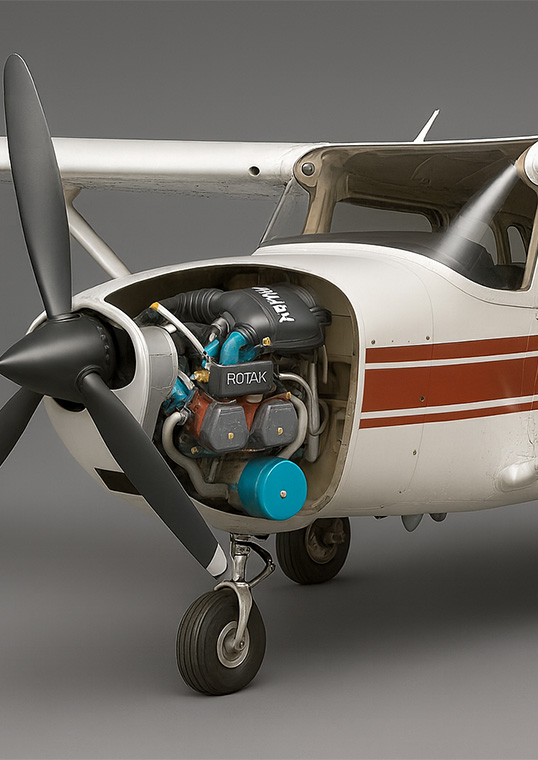
Our hybrid-electric engine combines the best of piston and electric propulsion
Crankshaft Integration
Electric motor integrates directly into certified piston engine via crankshaft coupling, ensuring seamless power delivery, tighter footprint, lower vibration and higher transmission efficiency.
Fuel Flexibility
Uses widely available, lead-free, low-cost automotive fuel as well as existing avgas, eliminating dependence on hazardous leaded fuel.
Performance Gains
Achieves 40% fuel savings using current energy storage technology and 50% longer time between overhauls (TBOs), dramatically reducing operating costs.
Enhanced Safety
Built-in electric motor redundancy enhances flight safety during combustion failure, providing critical backup power.
Accelerated Certification
Use of type certified components and designed for the STC certification pathway, reducing cost and time to market by half.
AI-POWERED INTELLIGENCE
Real-Time Edge AI Control
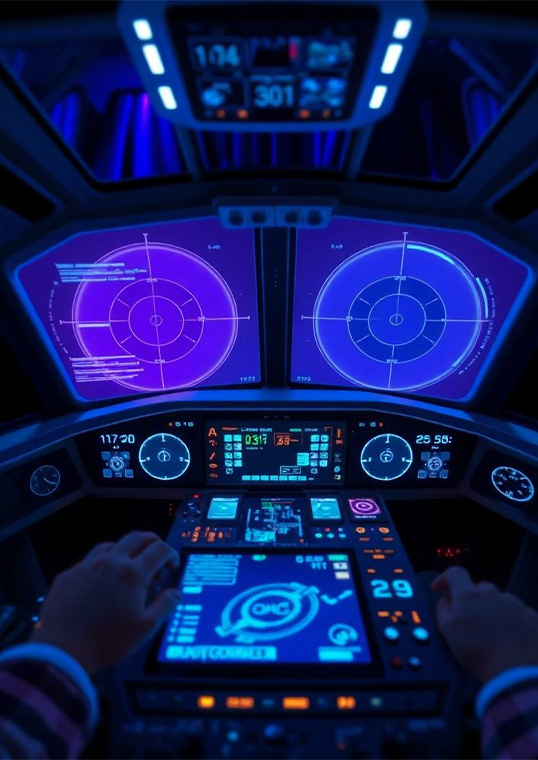
Our proprietary AI control system continuously optimizes engine performance across all flight phases, learning from operational data to maximize efficiency and extend engine lifespan.
Intelligent Optimization
Real-time management of throttle, fuel mixture, and electric assist adapts to changing flight phases including climb, cruise, and descent.
Predictive Maintenance
Learns from operational data to predict engine wear, extend lifespan, and support preventive maintenance scheduling.
Cockpit Integration
Seamlessly integrates with cockpit systems to support pilot decisions and provide comprehensive diagnostics in real-time.